
 ไทย
 中文 (中国)
 日本語




What Is the Douyin-Style 4-Way Eye Opening Programme?
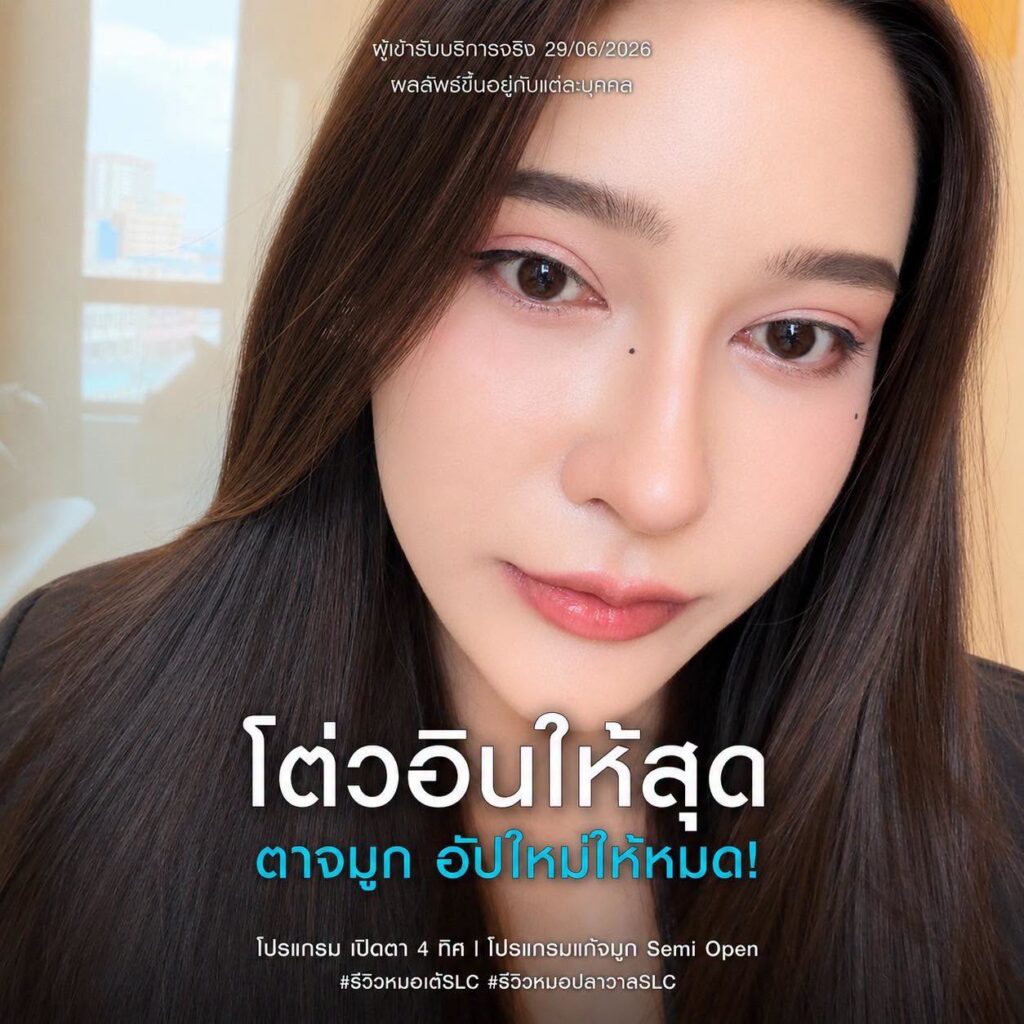
When the “inner eye corner” becomes the small detail that changes your whole look. The eyes are one of the key features that shape the feel and character of a face: even a small change, such as the position of the inner corner, the length of the eye line or the angle of the outer corner, can change how the whole face looks. Scroll through trends on Douyin, Xiaohongshu or Chinese influencers and you will see that Douyin Eyes are taking off, because they give a sweet, soft, dimensional look that seems wide awake and beautiful without needing a filter. Many people try to copy it with makeup, yet still feel they don’t look like the Chinese “big sisters” in the clips, because everyone’s eye structure is different, especially the inner corner, which has a big effect on the overall look. Many Asians have skin covering the inner corner, which makes the eyes look closed or short. Inner eye corner opening is one option that can help the eyes look more open, balanced and soft. However, this procedure is not suitable for everyone. Always have a doctor assess your facial and eye structure first, so the result truly suits you in the long term.
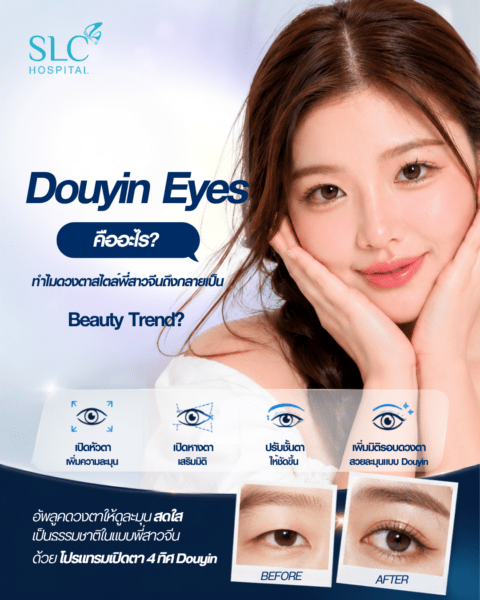
What Are Douyin Eyes? Why Has the Chinese “Big Sister” Eye Style Become a Beauty Trend?
Although many people casually call them “Douyin eyes” or “Chinese big-sister eyes”, Douyin Eyes are not the name of a procedure. They are an eye design style inspired by beauty trends on Douyin and Xiaohongshu, which became hugely popular in China before spreading, unstoppably, to Korea, Japan and Thailand. The charm of this style lies in its just-right sweetness: soft, bright and natural. It is not as sharp or edgy as Fox Eyes, nor as deep-set and intense as Western-style eyes. It is a look that feels “softly beautiful, yet still striking”, which is why so many people fall head over heels for it.
In general, Douyin-style eyes share features such as:
-
- A slightly opened inner corner, making the eye line look continuous and longer
-
- A double eyelid crease that is defined just enough, not so wide that it looks stiff
-
- A softly angled outer corner, not lifted or slanted too much
-
- Upper and lower eye lines that connect in balance
-
- Eyes that look dimensional even without heavy makeup
What’s interesting is that the beauty of Douyin Eyes does not come from any single procedure. It comes from looking at the eyes as a whole: the position of the inner corner, the length of the eye line, the shape of the eyelid crease, how the eye muscles work, and the balance with each person’s face shape. So if you are interested in inner eye corner opening, don’t think of it as making your eyes an exact copy of someone else’s. Think of it as designing your eyes to suit your own structure as closely as possible, under a doctor’s assessment, so the result looks natural and harmonious and stays beautiful with you for a long time, not just in the first photos.

Why Do So Many Asians Have “Hooded Inner Corners”? Understand Your Eye Structure Before Deciding on Inner Eye Corner Opening
Many people may have wondered why, after following every step of a Chinese or Korean makeup tutorial, their eyes still don’t feel like the original, even with the same eyeshadow, the same coloured contact lenses and the same eyeliner technique. One answer that many people overlook is the structure of the inner eye corner – a factor that makeup alone may not be able to fully change. Naturally, many Asians have an epicanthal fold – a fold of skin at the inner eye corner that covers the corner more than in people of other ethnicities. It is found in Thai, Chinese, Korean and Japanese people alike, and it is an anatomical difference caused by genetics, not an abnormality of any kind. When the epicanthal fold is fairly pronounced, it can give the eyes features such as:
-
- Inner corners that look closed or barely visible
-
- An eye line that looks shorter than it really is
-
- A crease near the inner corner that looks hidden or discontinuous
-
- Inner-corner makeup that is hard to do, with cosmetics that may not show as clearly as you want
-
- Eyes that look narrow or lack dimension from some angles
However, having an epicanthal fold does not mean everyone needs inner eye corner opening, because there is no single kind of beautiful eye. Some people have hooded inner corners that are a distinctive feature suiting their face perfectly. That is why a doctor’s assessment is an important step: to analyse whether the proportions of the inner corner suit adjustment, or whether the original structure should be kept.
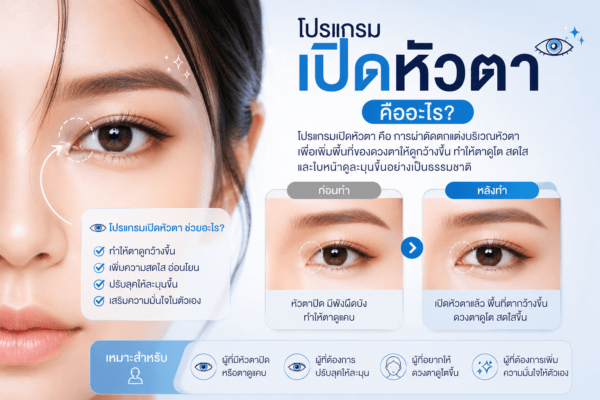
What Is Inner Eye Corner Opening?
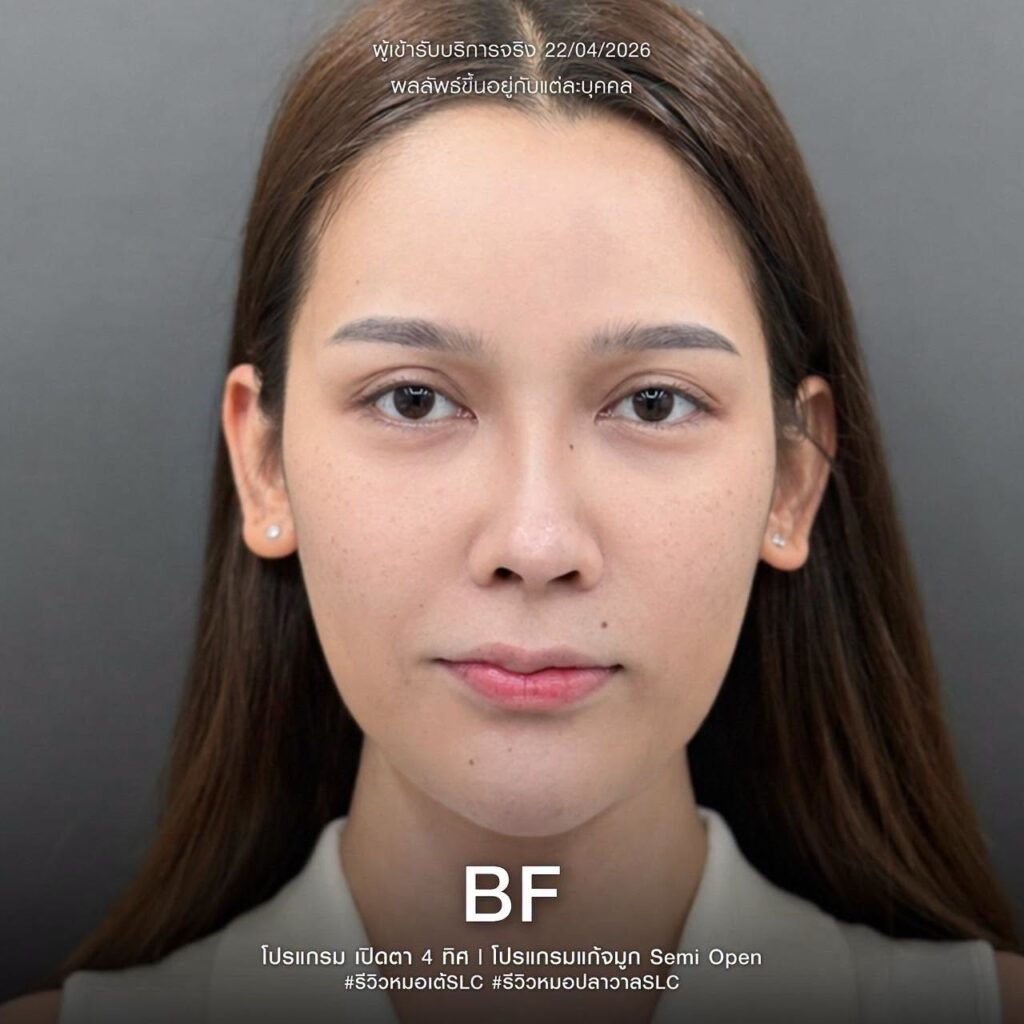
Inner eye corner opening (epicanthoplasty) is surgery to adjust the epicanthal fold in people whose inner corners are hooded or covered by more skin than usual. The aim is to make the inner corner line look continuous and balanced with the eye shape, not to change the eyes so much that they look unnatural. Many people assume that “inner eye corner opening” means making the eyes bigger, but in reality the main purpose of this procedure is adjusting the proportions of the inner eye corner so it suits the other features of the eye, such as the length of the eye line, the eyelid crease and the position of the outer corner. In people with suitable structure, this makes the eyes look more open and harmonious overall. Inner eye corner opening is therefore not done the same way for everyone. The doctor considers many factors, such as how pronounced the epicanthal fold is, the distance between the two eyes, the shape of the eyelid crease and the overall proportions of the face, to design a treatment approach suited to each individual. In some cases, inner eye corner opening may be done together with double eyelid surgery or reshaping of other parts of the eye, if the doctor assesses that this will give a more balanced result. In many other cases, inner eye corner opening alone may not be the right option, so you should always be assessed first.
How Can Inner Eye Corner Opening Improve the Eyes?
When properly assessed and designed, inner eye corner opening can help adjust the proportions of the eyes in several ways. It is not limited to looks; it also helps the eye shape look more balanced with the face. Possible benefits include:
-
- A more continuous inner corner line – reducing the sense that skin covering the inner corner makes the eyes look short
-
- More dimension to the eyes – making the eye shape look more open and balanced from the front
-
- A longer, more elongated eye line in people with suitable structure – without having to make the eyes look unnaturally big
-
- A more continuous eyelid crease – especially in people whose crease is hidden near the inner corner
-
- Easier inner-corner makeup – such as tightlining or Douyin-style makeup that emphasises a continuous eye line
-
- Eyes that look softer and more harmonious with the face overall – when designed to each person’s own proportions
However, the results of inner eye corner opening may vary from person to person, as they depend on eye structure, tissue elasticity and other facial features, so not everyone can expect the same eye shape. Planning together with your doctor is the key to designing the eyes that suit you best.
What Is Outer Eye Corner Opening?
Outer eye corner opening (canthoplasty) is surgery to adjust the outer corner of the eye to help the eye line look longer and more open, or to lift a drooping outer corner in some cases. In people with suitable structure, this procedure may help the eyes look more elongated and continuous, and when combined with inner eye corner opening and double eyelid surgery, it helps the eyes look more balanced overall in the Douyin style. In some cases, the doctor may also consider tightening the lower eyelid tendon, to help lift the lower eye line to match the new eye angle. This makes the eyes look fuller and softer, and helps the results of inner and outer eye corner opening look even softer in the Chinese big-sister style. But not everyone needs it, because tissue elasticity, eye spacing and overall facial proportions must always be assessed first. So if your goal is soft eyes in the Chinese big-sister style, the key is not choosing one particular procedure but getting a thorough assessment, so the eyes are designed to suit each person’s existing structure.
Who Is the Douyin-Style 4-Way Eye Opening Programme For?
Although the trend for big, round Douyin eyes is growing, that doesn’t mean everyone needs every procedure, because suitability depends on the anatomy of the eyes and each person’s goals. In general, people who may be suitable for assessment for the Douyin-Style 4-Way Eye Opening Programme include:
-
- People with a fairly pronounced epicanthal fold that makes the inner corners look closed
-
- People who feel their eyes look short or their eye line is not continuous
-
- People with a hidden or indistinct eyelid crease
-
- People with drooping outer corners, or who want the eye line to look longer and lifted
-
- People who find it hard to do makeup at the inner and outer corners
-
- People who want to adjust their eye proportions to look balanced with the face, under a doctor’s assessment
-
- People who have already had double eyelid surgery but still feel their eyes are not sweet or round enough
On the other hand, people whose inner corners are already open, or whose eye spacing is already well proportioned, may not need inner eye corner opening. Likewise, people whose outer corners don’t droop or whose eye line isn’t short may not need outer eye corner opening. The treatment approach should therefore be based on your actual structure rather than on trends or someone else’s look.
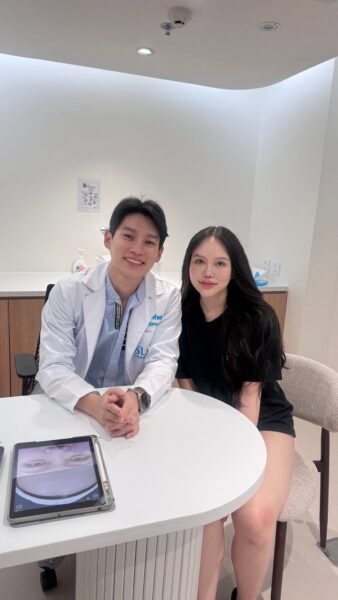
Dr. Pongpol Kittianan (Dr. Bom), Medical licence no. 59166
Why Does the Douyin-Style 4-Way Eye Opening Programme Need an Ophthalmologist’s Assessment?
Although the Douyin eye trend is hugely popular, the most important thing is not to look “like the original” but to design the eyes to suit each person’s structure. Everyone’s eyes differ in detail: eyelid thickness, amount of fat, how the eye muscles work, the distance between the eyes, and the angles of the inner and outer corners. For this reason, before planning treatment, the doctor assesses each of these factors in detail to choose the right approach, whether double eyelid surgery, inner eye corner opening, outer eye corner opening or adjusting other features together, with the aim of making the eyes look balanced with the face while staying natural. The doctor’s assessment may consider factors such as:
-
- How pronounced the epicanthal fold is
-
- The length and width of the eye line
-
- How the eye muscles work
-
- Eyelid thickness and amount of fat
-
- The position of the outer corner
-
- The balance between both eyes
-
- The proportions of the eyes relative to the face as a whole
Because no two pairs of eyes are exactly alike, the right result differs from person to person. Some people may only need inner eye corner opening, while others may need it combined with double eyelid surgery or outer eye corner opening, to achieve an eye shape that blends harmoniously with the face.
Doctor’s Advice
“Douyin-style eye design is not about copying someone else’s eye shape. It is about assessing each person’s eye structure and facial proportions to choose the most suitable treatment approach, so results may vary from case to case.”
Frequently Asked Questions (FAQ)
Does inner eye corner opening hurt?
During the procedure, the doctor uses local anaesthesia or an anaesthesia approach suited to each case, which helps reduce pain during treatment. Afterwards, there may be tightness, swelling or discomfort around the incision at first, which usually improves gradually as each person recovers.
Does inner eye corner opening have to be done with double eyelid surgery?
Not always. People with hooded inner corners who already have a suitable eyelid crease may be assessed for inner eye corner opening alone, while others may be better suited to having double eyelid surgery as well, so the eye proportions look more balanced.
How long is the recovery?
Recovery time varies from person to person. In general, there may be swelling and bruising at first, which gradually improves. Caring for the wound as the doctor advises and attending follow-up appointments help recovery go as it should.
Will everyone get the same Douyin look after inner eye corner opening?
This cannot be guaranteed, because the result depends on each person’s original eye structure and on the treatment approach the doctor assesses as suitable. The goal of treatment is to design eyes that suit the face, not to make them look like someone else’s.
Who is the Douyin-Style 4-Way Eye Opening Programme suitable for?
It suits people who want to reshape their eyes to look sweeter, softer and more dimensional. The doctor assesses which procedures should be done, whether double eyelid surgery, inner eye corner opening, outer eye corner opening or adjusting other features together, depending on each person’s structure.
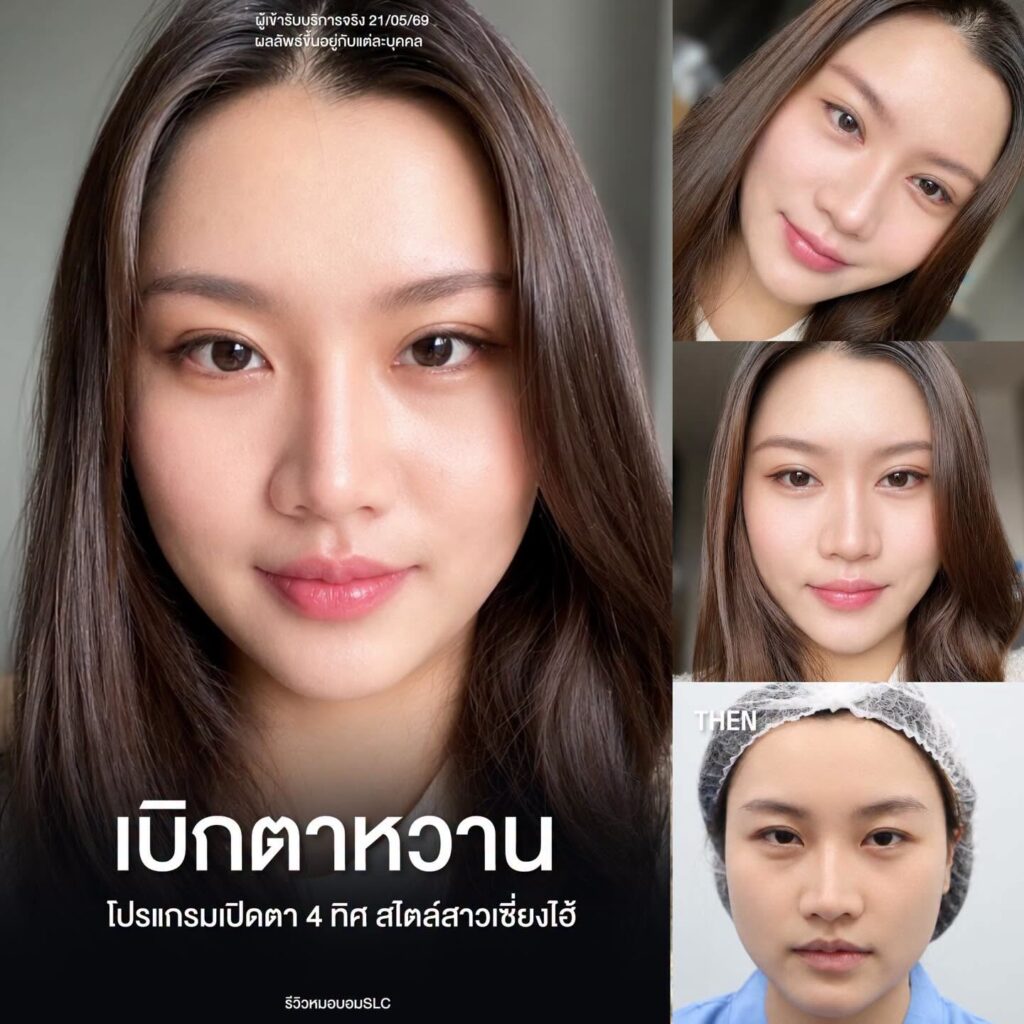




Summary: The Douyin-Style 4-Way Eye Opening Programme, an Option for Naturally Sweet, Soft Eyes
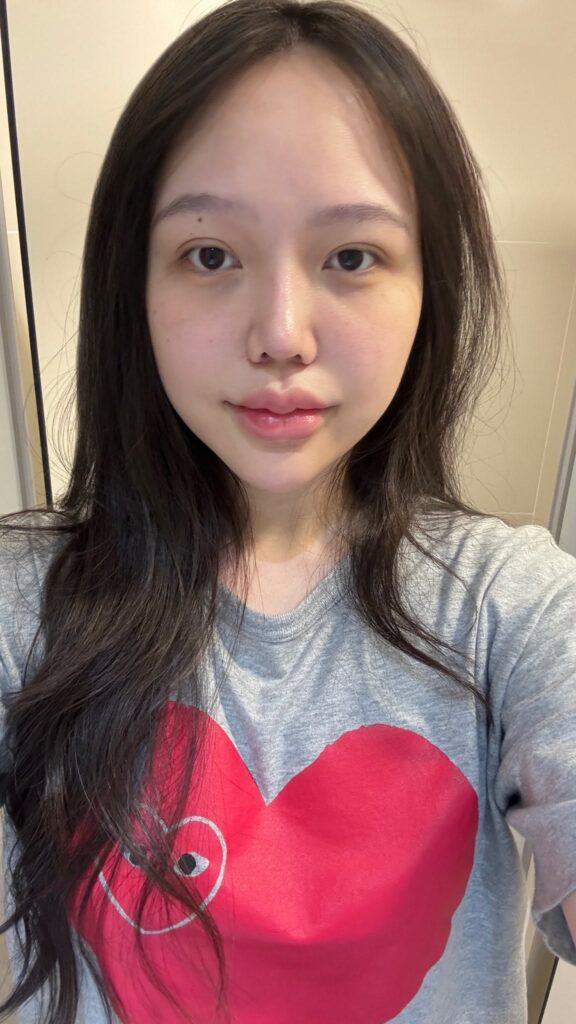
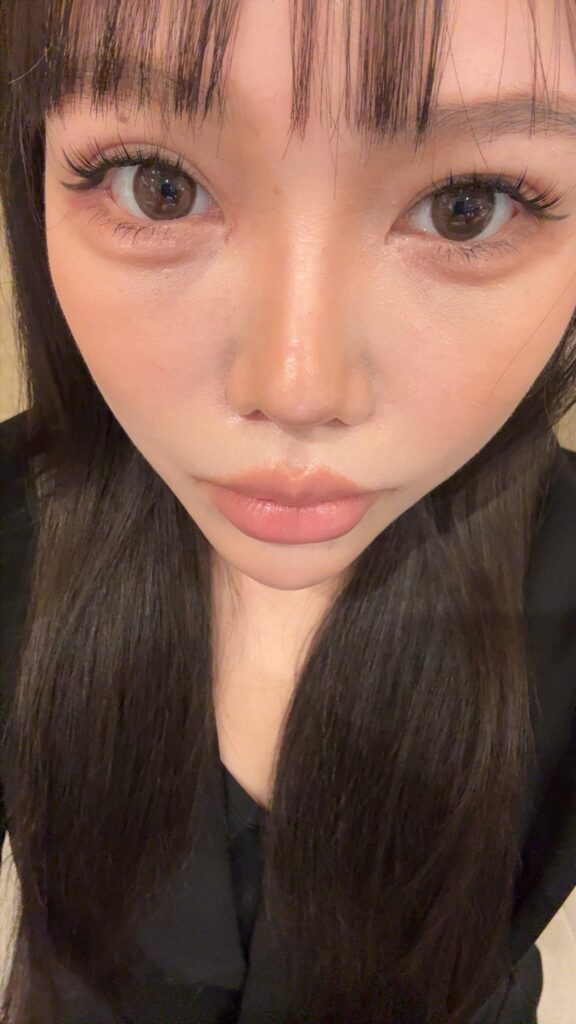
The charm of Douyin-style eyes does not come from a single procedure. It comes from designing the features of the eyes to be in balance: the eyelid crease, the inner corner, the outer corner and the overall proportions of the face. Inner eye corner opening is just one of the elements that may help the eye line look more continuous and softer in people with suitable structure. If you are interested in the Douyin-Style 4-Way Eye Opening Programme, a consultation and assessment with an ophthalmologist or an experienced doctor will help plan treatment that suits each person’s eye structure, and choose an approach that delivers balance, naturalness and long-term beauty.
References
- Dr. Pongpol Kittianan. (2568 BE). Interview on the Douyin-Style 4-Way Eye Opening Programme [Video]. SLC Hospital. (Medical licence no. 59166)
- SLC Hospital. (2569). Guidelines for assessing patients for surgery around the eyes (internal document).
- SLC Hospital. (2569). Service information on the Douyin-Style 4-Way Eye Opening Programme and surgery around the eyes (internal document).