ไทย
 中文 (中国)
 日本語



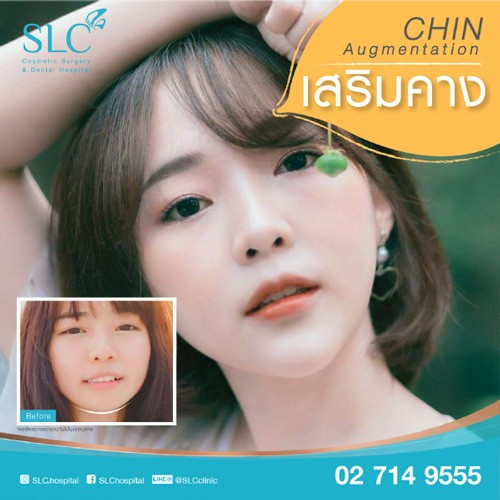
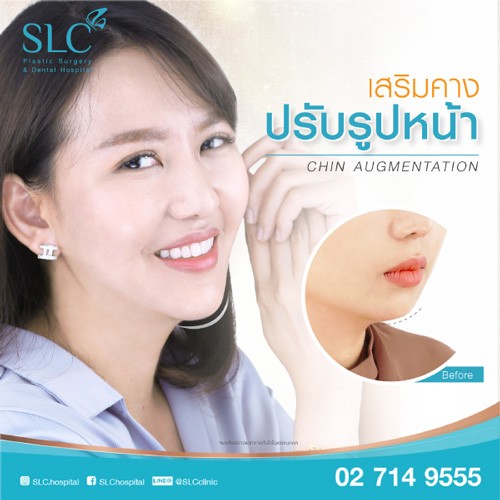
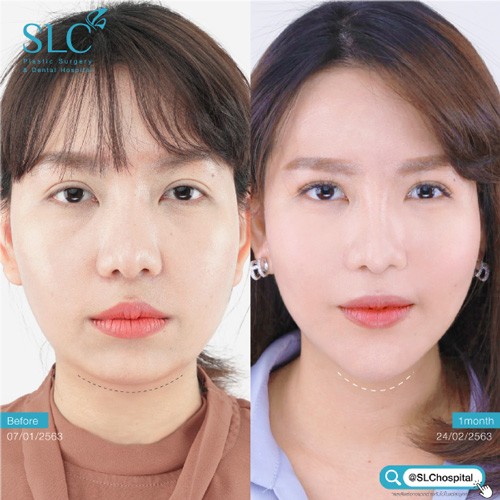
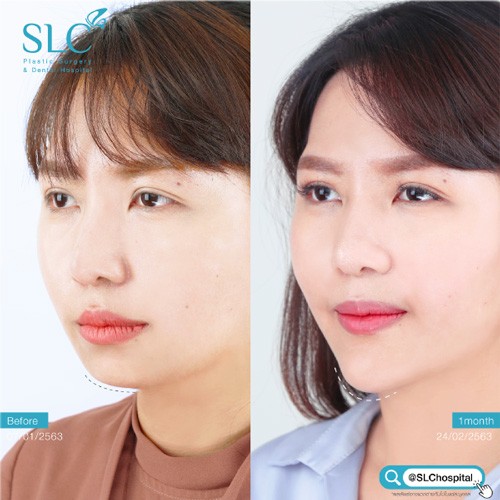
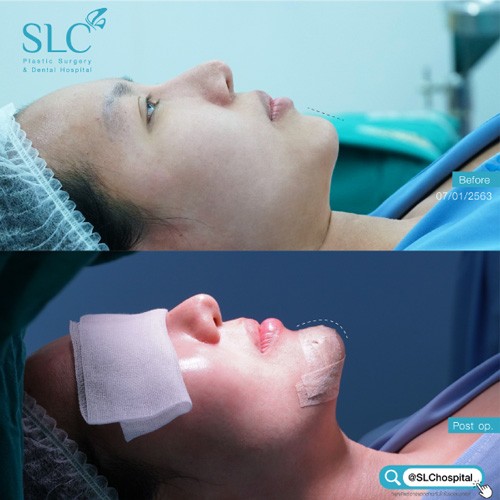
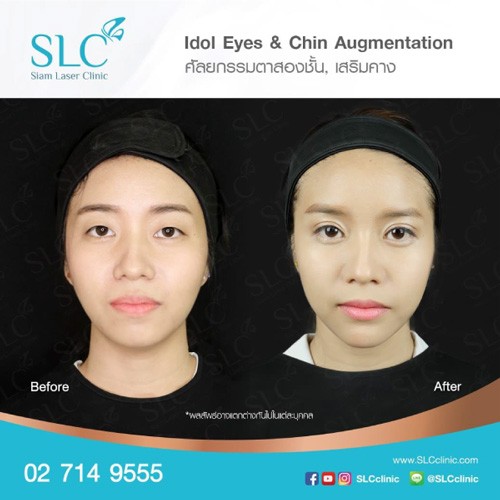
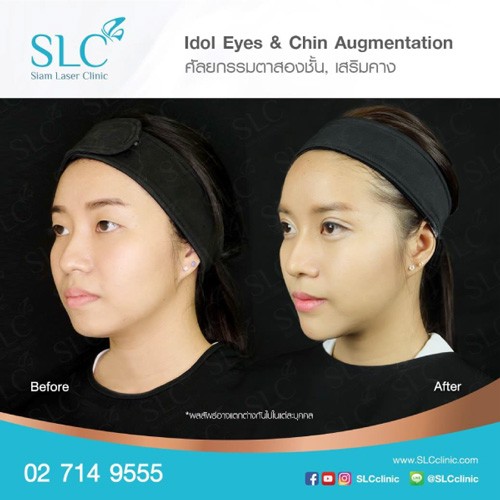
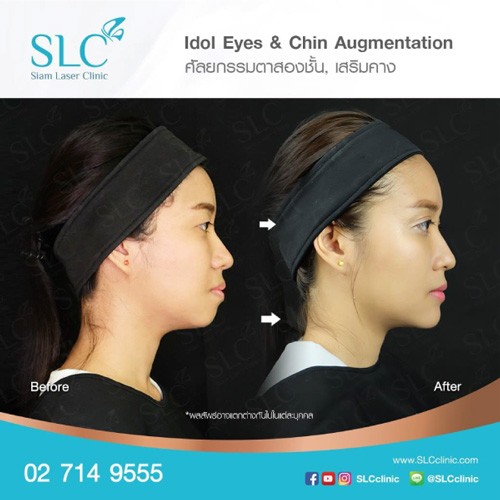
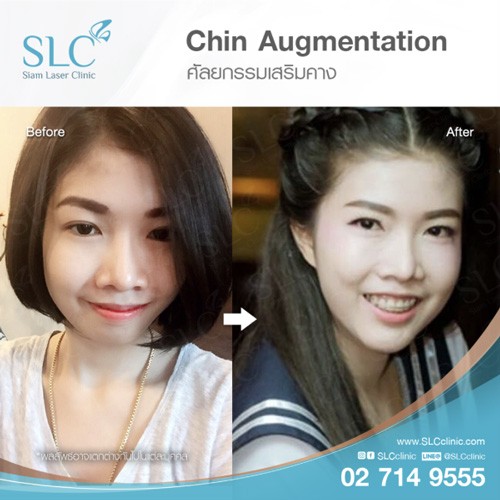
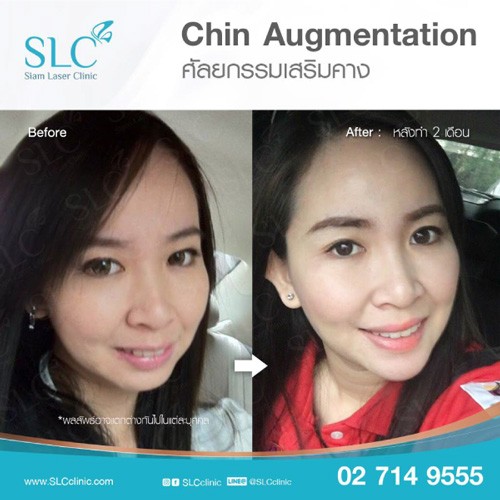
For people with a short chin, an indented chin, a blunt chin or a round face that throws the facial structure out of shape, the solution is chin augmentation surgery with a medical-grade silicone implant, with the shape chosen to suit each patient’s face. The silicone used is an extra-soft type. Many people wonder whether chin surgery hurts and where to have it done. At SLC Hospital, we can address the problem precisely and make it look natural, combined with our surgeons’ special technique of positioning the implant so it blends in as smoothly as possible, for a face that is beautifully shaped in a natural way. Our surgeons use 2 incision techniques: an external incision and an internal incision. With the external incision, the surgeon makes an incision of about 1-1.5 centimetres under the chin. With the internal incision, the surgeon makes the incision inside the mouth, between the lower lip and the gum, to create a pocket for the implant, so no wound can be seen. Chin augmentation is suitable for people who don’t want chin injections and want a permanent result. Where to have chin surgery?
Silicone implants used in chin augmentation
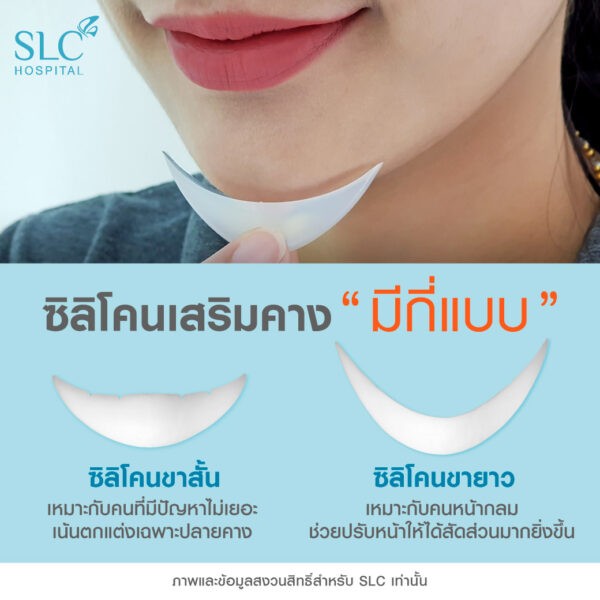
1.Short-wing silicone implant
Suitable for people who only need to lengthen the tip of the chin, who already have a fairly good chin structure, and who want to refine the proportions of the face so it looks slimmer, longer and better shaped.
2.Long-wing silicone implant
Its wings curve over the chin bone so the implant sits at the same angle as the facial outline, leaving no visible step between cheek and chin. The wings help lock the implant in place so it does not droop below the chin, holding onto the chin bone and preventing the chin from shifting or tilting. It is suitable for people with a round face, short chin, indented chin, receding chin or square chin. The implant must therefore extend to the jawline and match the facial outline, giving the face better proportions.
The type of silicone chosen also helps the chin suit the face. Choosing the right type helps give the face good proportions, dimension and a slim, beautiful look to perfection. The type of chin implant used at SLC Hospital is
Premium Korean silicone
The key features of this type of silicone are softness and flexibility. Only a small incision is needed because the silicone is highly flexible. Once in place, it helps the chin suit the face and look as natural as possible. However, this also depends on each patient’s chin tissue. The choice of implant to correct the problem and suit the face depends on the doctor’s assessment, so that the result gives the face good proportions, dimension, and a slim, beautiful, natural look.
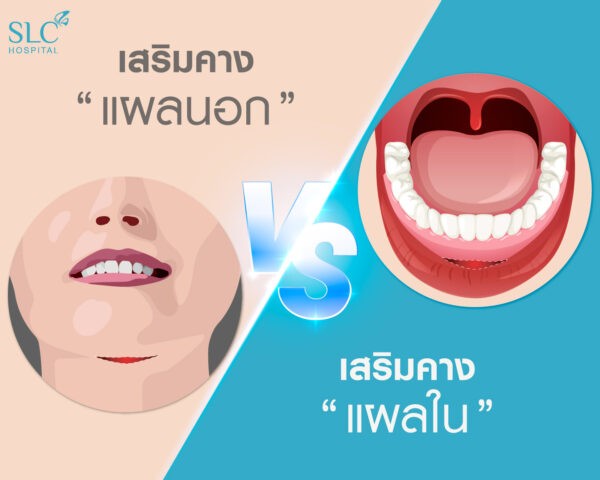
Chin augmentation: how do external and internal incisions differ?
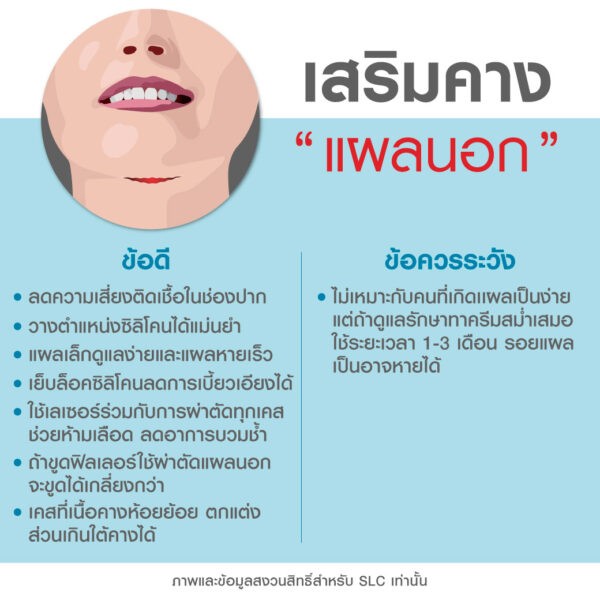
1.Chin augmentation with an external incision
In chin augmentation with an external incision, the doctor makes an incision under the chin, on average 1-1.5 centimetres long, to position the implant angled downward so the face looks slimmer and the chin is reshaped to match the patient’s facial structure. The surgery is performed under local anaesthesia and takes about 30 minutes to 1 hour, depending on the complexity of the case. Stitches are removed 7 days after the procedure.
Advantages of chin augmentation with an external incision
- Reduces the risk of infection from food debris and saliva in the mouth
- The implant can be positioned easily and precisely
- The incision is small, so it is easy to care for and heals quickly
- The doctor stitches the implant in place to prevent it from shifting or tilting
- A laser is used alongside surgery in every case to help stop bleeding and reduce swelling and bruising
- If filler needs to be scraped out, the external-incision chin correction technique should be used, as it removes the liquid material more completely
- In cases with sagging chin tissue, excess skin under the chin can also be trimmed
Points to note
- May not be suitable for people who scar easily, so in some cases a scar may form. However, with good care and regular use of scar-reducing cream, the scar may fade. This usually takes quite a while, about 1-3 months on average.
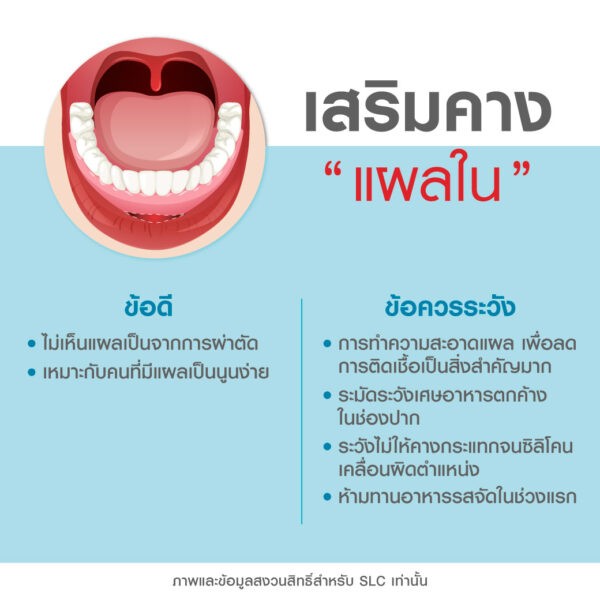
2.Chin augmentation with an internal incision
In chin augmentation with an internal incision, the doctor makes an incision inside the mouth, between the inner gum and the lower lip, about 2 centimetres long or depending on the size of the implant. The surgeon then separates the membrane at the lower edge of the chin and places the silicone implant precisely in the desired position. The incision is then closed with dissolvable stitches.
Advantages of chin augmentation with an internal incision
- No visible external surgical scar, suitable for people prone to raised scars
Points to note
- Keeping the area clean to reduce the risk of infection or complications is therefore important
- Be careful of food debris left in the mouth
- Take care not to knock the chin, which could move the implant out of position
- Avoid spicy or strongly flavoured food in the early period
Who is chin augmentation suitable for?
- Suitable for both women and men with a short face, round face, short chin, indented chin, receding chin or flat chin who want a more attractive chin and a longer facial shape.
- Suitable for people who want a V-shaped face. Chin augmentation can also enhance your overall look, as it gives the face more dimension.
- Most men prefer a chin that is broader and more square for a masculine look, rather than one that is too pointed, which can make the face look soft and sweet. This differs from women’s chin surgery, where the preference is for a slimmer, longer face with a soft, sweet look.
Where to have chin surgery: why choose SLC Hospital
- Specialist surgeons with expertise in facial surgery, who assess and design for each individual
- A Thai Boutique Hospital-standard cosmetic surgery hospital
- Modern operating-room technology
- Personal Patient Advisor: your own surgery advisor and point of care
- Excellent service, with care and follow-up after surgery
- Trusted by SLC clients and well regarded among international patients
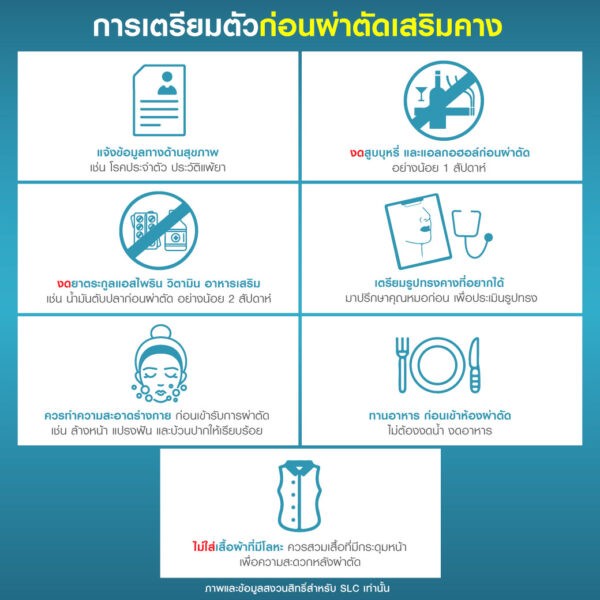
Preparing for chin augmentation surgery
- Please tell us about your health, such as any underlying conditions and any history of drug allergies
- Stop smoking and drinking alcohol at least 1 week before surgery
- Stop aspirin-type medicines, vitamins and supplements such as fish oil at least 2 weeks before surgery
- Bring examples of the chin shape you want to discuss with the doctor before entering the operating room, so the shape can be assessed
- Clean yourself before surgery, for example wash your face, brush your teeth and rinse your mouth thoroughly
- Eat a satisfying meal before going into the operating room; there is no need to fast from food or water
- Do not wear clothing with conductive metal; wear clothes that button at the front so they are easy to put on after surgery
Procedure steps
- On arrival, the patient registers with the clinic, has their blood pressure checked, and takes painkillers and antibiotics
- Consult the doctor about the shape; the popular choice is a soft V shape that is not too pointed
- The doctor marks reference points on the chin before surgery
- Enter the operating room; local anaesthetic is injected into the chin and takes about 10-15 minutes to take effect
- The doctor makes an incision of about 1-3 cm, depending on the size of the implant
- The doctor carves and adjusts the implant case by case to suit the face
- The shape is checked before the incision is closed
- A chin splint is applied
- The patient can go home to recover
Treatment time
- Surgery takes about 30 minutes to 1 hour
Aftercare for chin augmentation
- For 3 days after surgery, apply cold compresses to reduce pain and prevent swelling
- During the first week, clean the wound every day to prevent food debris from building up, which is the main cause of infection and inflammation
- On days 4 – 6 after surgery, apply warm compresses as advised by your doctor
- Sleep with your head elevated, and do not sleep on your side or face down, as this may put pressure on the still-inflamed chin
- Take all medication exactly as prescribed by your doctor
- During the first week, eat soft food to prevent food debris from getting into the wound
- Attend your follow-up appointments, and do not remove the dressing or stitches yourself before the scheduled time
- Clean your face with a damp cloth, wiping or cleansing with a skin-cleansing product instead of washing your face
- Swelling and bruising may occur after surgery, especially in the first 1-2 weeks, and will gradually improve over 3-4 months as the tissue returns close to normal. In some cases it may take 6 months to 1 year
- Avoid looking down, for example reading, using a computer, lifting heavy objects, or shaking or tilting your head forcefully, especially in the first 2 weeks
- Avoid drinking alcohol and smoking
- Avoid seafood, fermented and pickled foods, spicy food and food that is hard to chew for the first month
- Strenuous exercise such as running or swimming can be resumed after about 3 months or more
- If anything seems abnormal, come in for a consultation immediately
Q&A: Frequently Asked Questions
Q: Does chin surgery hurt?
A: Chin augmentation is a minor operation performed under local anaesthesia, so the only pain you will feel is during the anaesthetic injection. Once the anaesthetic takes effect, you will not feel pain during surgery. After it wears off, you may feel some tightness or slight pain, which can be managed with painkillers as well as cold compresses to reduce pain and swelling. After surgery, you can travel home to recover with no need to stay for recovery.
Q: How long is the recovery after chin augmentation?
A: Recovery takes about 7 days, but you can still go out and live normally without affecting your daily routine. After 7 days, you will have an appointment to check the wound or remove the stitches, and after chin augmentation surgery the chin settles in about 1-3 months.
Q: Does chin augmentation leave a scar?
A: Scarring depends on the individual. Some people have skin that is prone to keloid scars, but visible scars are very rare because the incision is small, and the scar gradually fades over about 1-3 months. For people who scar easily, aftercare is very important: apply the medication regularly as prescribed by your doctor.
Q : Does chin augmentation have side effects or dangers?
A: Choosing where to have it done is very important; not just anywhere will do. Research carefully, including a highly experienced and skilled doctor, safety, proper standards, and modern surgical instruments that are sterilised at every step. Because SLC Hospital meets the Thai Boutique Hospital standard, you can put your worries about side effects and dangers to rest.