ไทย
 中文 (中国)
 日本語


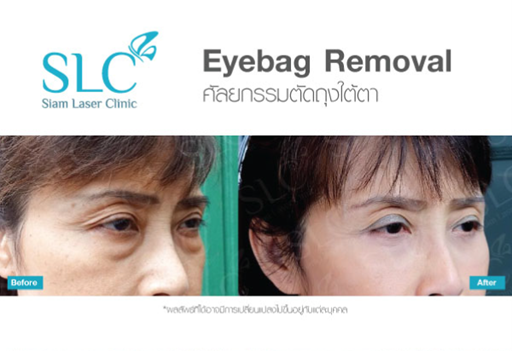
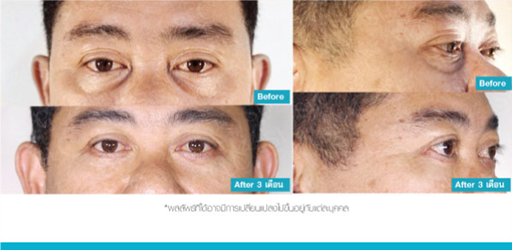
Among the top signs of ageing are changes in the skin and sagging of the face, and under-eye bags are another “arch-enemy” that make the face look older than its years, look tired, and chip away at your confidence. They can affect people of any gender and age and have many causes. Although this problem does not seriously affect your health, it makes the face look weary and older than it is, so many people who have it feel worried and lose confidence. If left for a long time, the problem can progress and become hard to correct. Today there are many medical techniques to help reduce under-eye bags, drooping eyes, sagging under-eye bags and puffy under-eye bags, from injections to surgery. At SLC Hospital we offer eyebag surgery, or lower eyelid surgery, as well as under-eye fat repositioning, which can correct the problem precisely and right at its source.
Eyebag Surgery
Do Sagging Under-Eye Bags Make You Look Older Than You Are?
Under-eye bags and sagging of the lower eyelids are caused by the eye muscles tiring and weakening, so fat pads push the weakened muscle wall outward. This may be visible from the teenage years and becomes more obvious with age, making you look less bright, tired, as if you were always sleepy, and hiding the beauty of your eyes. Because the skin around the eyes is delicate, it needs the right care, and lower eyelid surgery at SLC Hospital is another option that can correct the problem precisely, making the face look youthful and the eyes bright again.
Under-eye bags come in 2 types:
- False under-eye bags
This is under-eye puffiness caused by certain habits, such as lack of sleep, heavy crying, rubbing your eyes, drinking alcohol regularly, overusing your eyes, or even allergies to various substances. This puffiness is only temporary. If you take good care of yourself, apply cold compresses regularly and get enough rest, the skin under the eyes will return to normal.

- True under-eye bags
These are under-eye bags caused by ageing or “genetics”. Normally we have 3 fat pads under each eye. When the body’s endocrine system does not work normally, too much fluid collects under the eyes, making the skin of the under-eye bags bulge. This can also be caused by the skin deteriorating over time and the tissue that supports the under-eye fat pads loosening with age. With true under-eye bags, some people may have this problem from their early 20s. This can be corrected with “eyebag surgery”.
2 Incision Methods for Eyebag Surgery
- Inner incision
Suitable for people who do not have much excess eyelid skin. The surgeon removes only the fat that causes the problem.
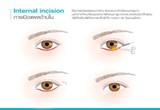
- Outer incision
An incision is made along the lower lash line. This suits older people or people with fairly large under-eye bags and quite a lot of excess skin. Besides removing fat, older people often have loose eyelid skin, so this method can tighten both the eyelid skin and the under-eye fat.
Causes of Under-Eye Bags
- Under-eye bags sagging with age
- Not taking good care of the area around the eyes
- Stress
- Too little rest
- Certain everyday habits, such as lack of sleep or staying up late, crying often, focusing your eyes on one thing for a long time, or staring at computer or phone screens that are too bright
So whatever your age, if under-eye bags make you feel less confident, come and consult a surgeon about surgery to reduce under-eye bags.
Under-Eye Fat Repositioning for Brighter-Looking Eyes
For people who want to reduce under-eye bags, drooping eyes, sagging under-eye bags or puffy under-eye bags, eyebag surgery is already one way to correct the problem precisely. But some people have similar problems along with a clearly visible deep groove near the inner corner of the eye, and at SLC Hospital we have a way to correct this too: under-eye fat repositioning. It is another method that helps make the deep groove under the eyes shallower, by moving under-eye fat from areas with too much fat to fill areas with too little fat or with a deep tear trough, rebalancing the fat under the eyes. By repositioning the under-eye fat, this method can also help the eyes look more youthful and brighter.

Why Choose Eyebag Surgery at SLC Hospital?
- Specialist surgeons experienced in facial cosmetic surgery, with individual assessment and design
- A Thai cosmetic surgery hospital with Boutique Hospital standards
- Modern operating room technology
- Personal Patient Advisor: your own cosmetic surgery advisor and carer
- Excellent service, with care and follow-up after surgery
- Trusted by SLC clients and well regarded by international patients
- Surgeons at SLC Hospital are known for hiding scars and for meticulous suturing techniques. The scar sits smoothly along the lower lash line and eventually blends in over time.
Preparing for Eyebag Surgery
- Stop taking medicines, supplements and vitamins for 2 weeks.
- Stop smoking and drinking alcohol at least 2 weeks before surgery.
- If you have any underlying conditions or a history of drug allergies, tell your doctor before surgery.
- Tell your doctor about any past facial injections, augmentation or cosmetic procedures before surgery.
- Get enough sleep. There is no need to fast before surgery.
Eyebag Surgery Steps
- The specialist surgeon designs the procedure and assesses the excess under-eye bag tissue to be removed.
- Local anaesthetic is injected to reduce pain.
- An incision is made with a medical scalpel.
- For an outer incision, the incision runs along the lower eyelid, possibly extending slightly to the outer corner of the eye, as the surgeon judges best.
- For an inner incision, the incision is only 0.5 – 1 cm long.
- Excess fat is removed.
- If the skin is too loose, the surgeon trims the excess skin to a suitable amount.
- The wound is closed with the precision and skill of a specialist surgeon.
Procedure Time
- Surgery takes about 45 minutes to 1 hour.
Aftercare for Eyebag Surgery
- Sleep with your head raised at least 45 degrees for at least 1 week.
- Apply cold compresses regularly for the first 48 hours, then warm compresses for another 2 – 3 days, to help reduce swelling and bruising. Some slight swelling and bruising may occur and will gradually fade within 3 – 7 days, depending on the person.
- For the first 3 – 4 days, use the wound-cleaning kit to gently wipe along the wound and apply a thin layer of ointment as your doctor prescribes.
- Use eye drops, ointment and medicines as prescribed by your doctor.
- Do not wear contact lenses, and avoid makeup and eye makeup for about 2 weeks after the procedure.
- Do not get the wound wet until the stitches are removed, 7 days after the procedure.
Eyebag Surgery FAQs
Q: At what age can you have eyebag surgery?
Answer: From your early 20s through to older age, you can have eyebag surgery as normal.
Q: Does eyebag surgery hurt?
Answer: In eyebag surgery, the surgeon injects a local anaesthetic to block pain during the procedure. You will only feel slight pain during the injection. Once the anaesthetic takes effect, you will not feel pain.
Q: Can under-eye bags come back after eyebag surgery?
Answer: In eyebag surgery, the surgeon removes the under-eye fat, so the under-eye fat is gone, and in most cases it does not come back. Only in patients with more severe problems can the under-eye fat problem return.
Q: Can eyebag surgery be done together with double eyelid surgery?
Answer: Yes, they can be done at the same time.
Q: What is the difference between outer and inner incision eyebag surgery?
Answer: Outer incision surgery suits people with minor under-eye bag and skin problems, while inner incision surgery suits older people or people with fairly large under-eye bags and quite a lot of excess skin. It is best to consult a surgeon to assess your problem first.
Review – Eyebag Surgery