
 ไทย
 中文 (中国)
 日本語


Overweight and obesity are health problems that can affect the body and daily life. For people who have tried to lose weight through diet and exercise without success, the bariatric surgery programme (Bariatric Surgery), or stomach surgery, is another option that is medically accepted for reducing the size of the stomach, so you eat less, feel full sooner and lose weight effectively. It is suitable for people whose weight is above the standard range or who have obesity-related conditions. If you are looking for a way to improve your health, weight-loss stomach surgery may be the right answer.

What is bariatric surgery??
Stomach surgery, or the bariatric surgery programme (Bariatric Surgery), is a medical method that helps people with overweight or severe obesity reduce the size of the stomach to lose weight effectively and sustainably. The key principle of weight-loss stomach surgery is to make the stomach smaller, so the body takes in less food, feels full sooner, and weight is controlled over the long term. Besides improving your figure, this method also benefits your health, for example by reducing the risk of chronic diseases related to obesity such as diabetes, high blood pressure and fatty liver. It is also an option recognised as safe and genuinely effective. Today, the bariatric surgery programme has 3 main techniques that meet different needs; which one is chosen depends on individual factors.
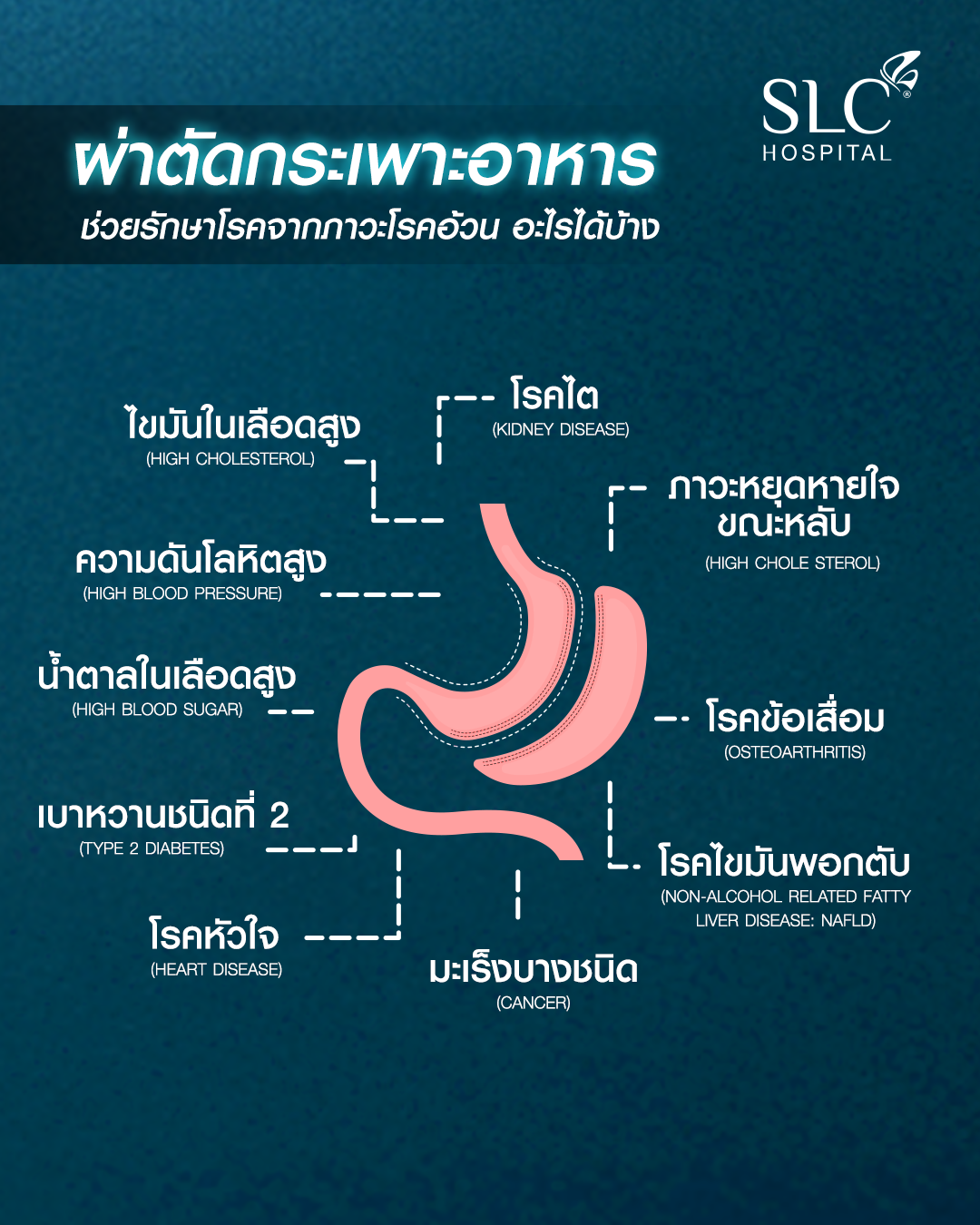
3 stomach reduction techniques
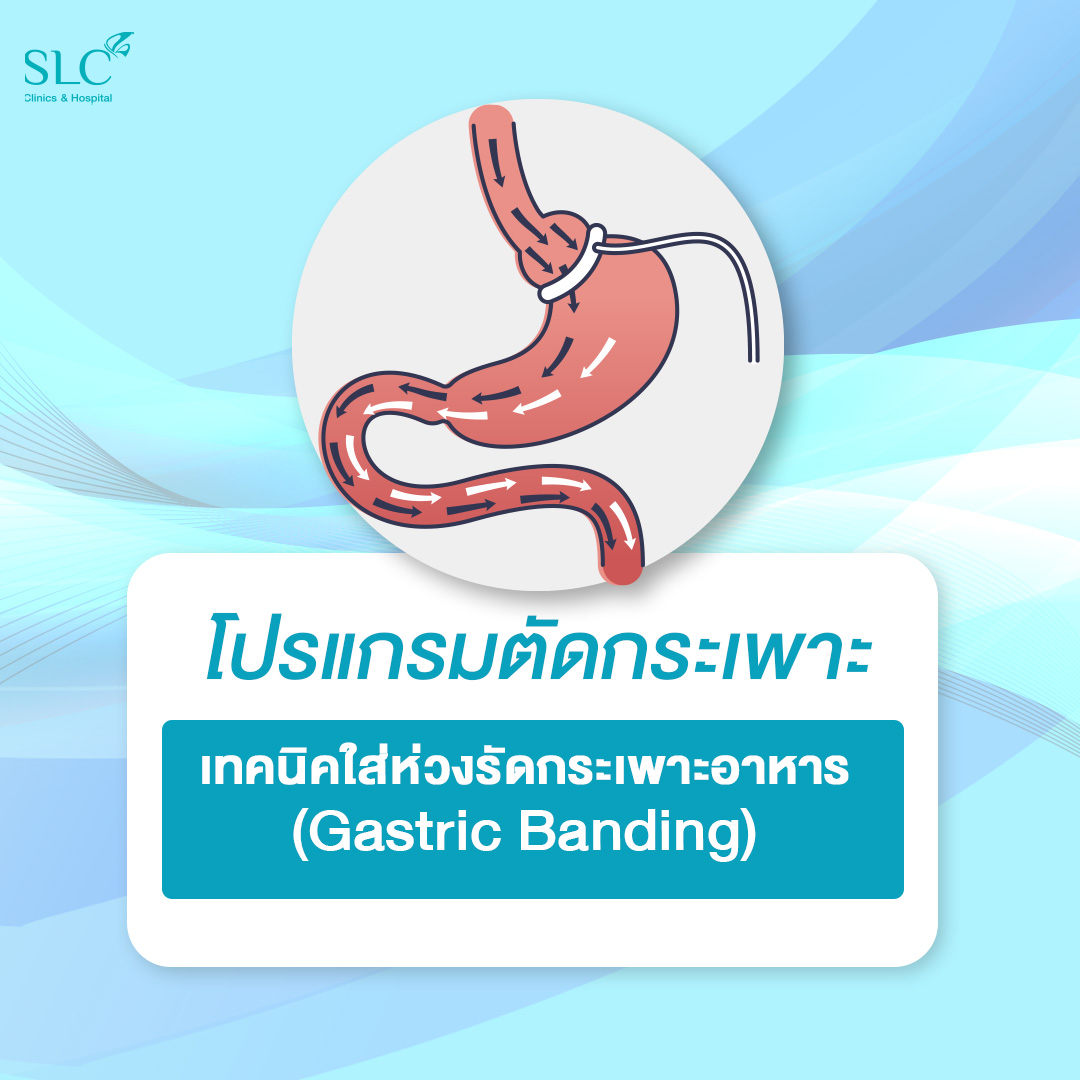
1. Gastric band placement (Gastric Banding)
This is laparoscopic surgery in which a silicone band is placed around the upper part of the stomach, creating a new, smaller stomach pouch so that the body feels full sooner and eats less. The size of the band can be adjusted later. Its advantages are small incisions, fast recovery, and no part of the stomach being removed from the body.
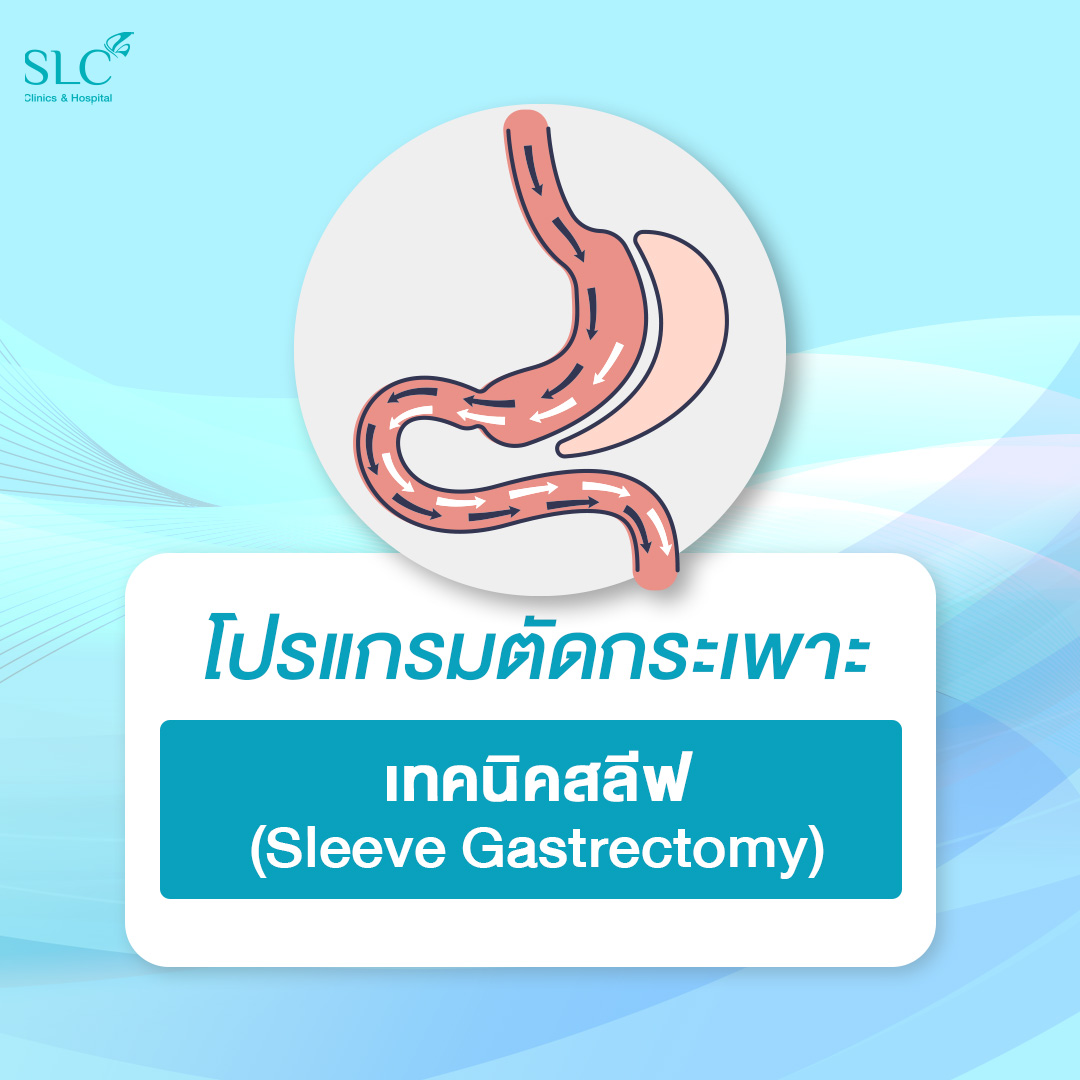
2. Sleeve stomach reduction surgery (Sleeve Gastrectomy)
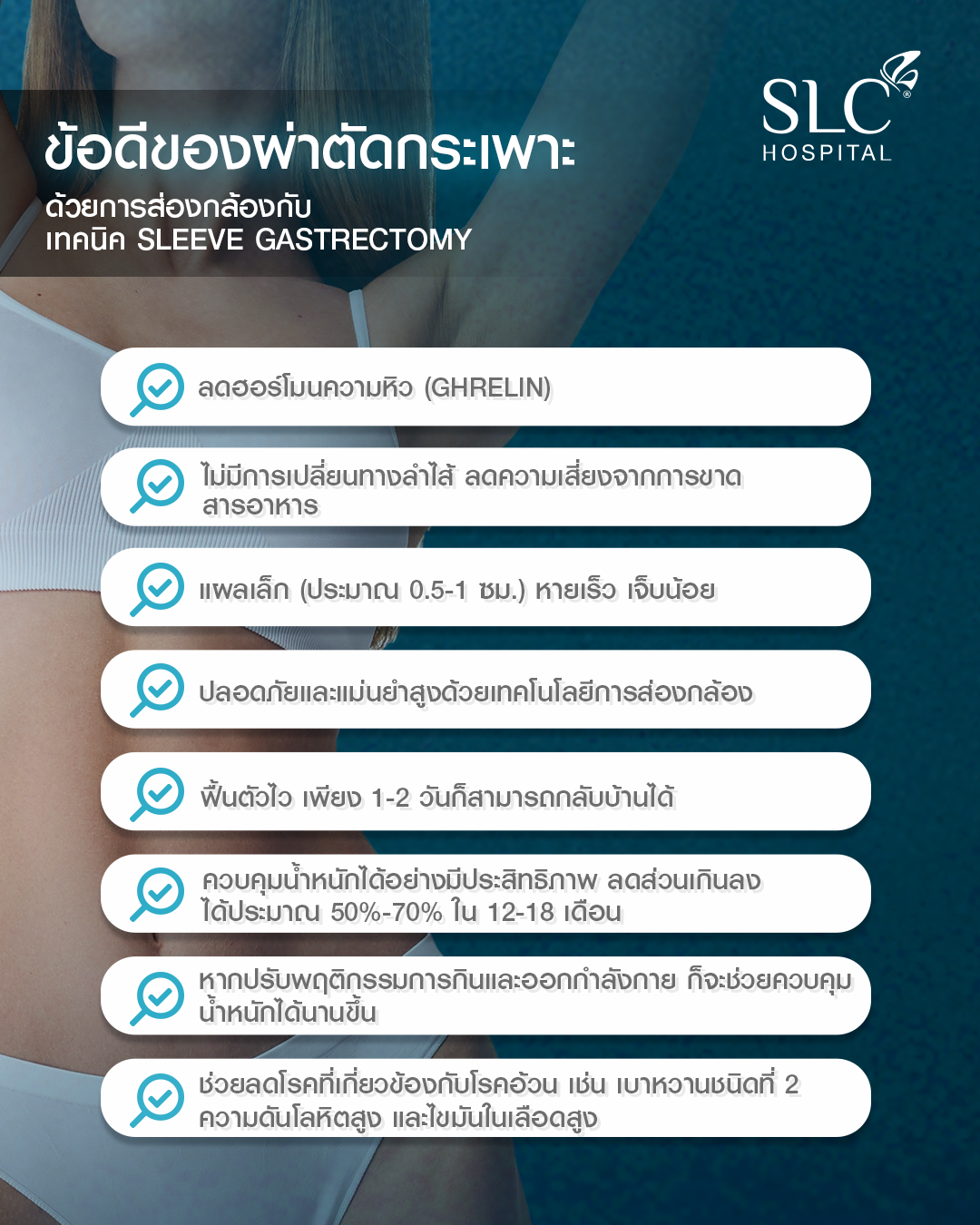
With this technique, the surgeon removes about 80% of the expandable part of the stomach, leaving a small banana-shaped stomach. This means you eat less, and it also lowers the level of the hunger hormone (Ghrelin), so you feel full sooner. This method is popular because it helps with weight loss well and also helps rebalance hormones related to obesity.
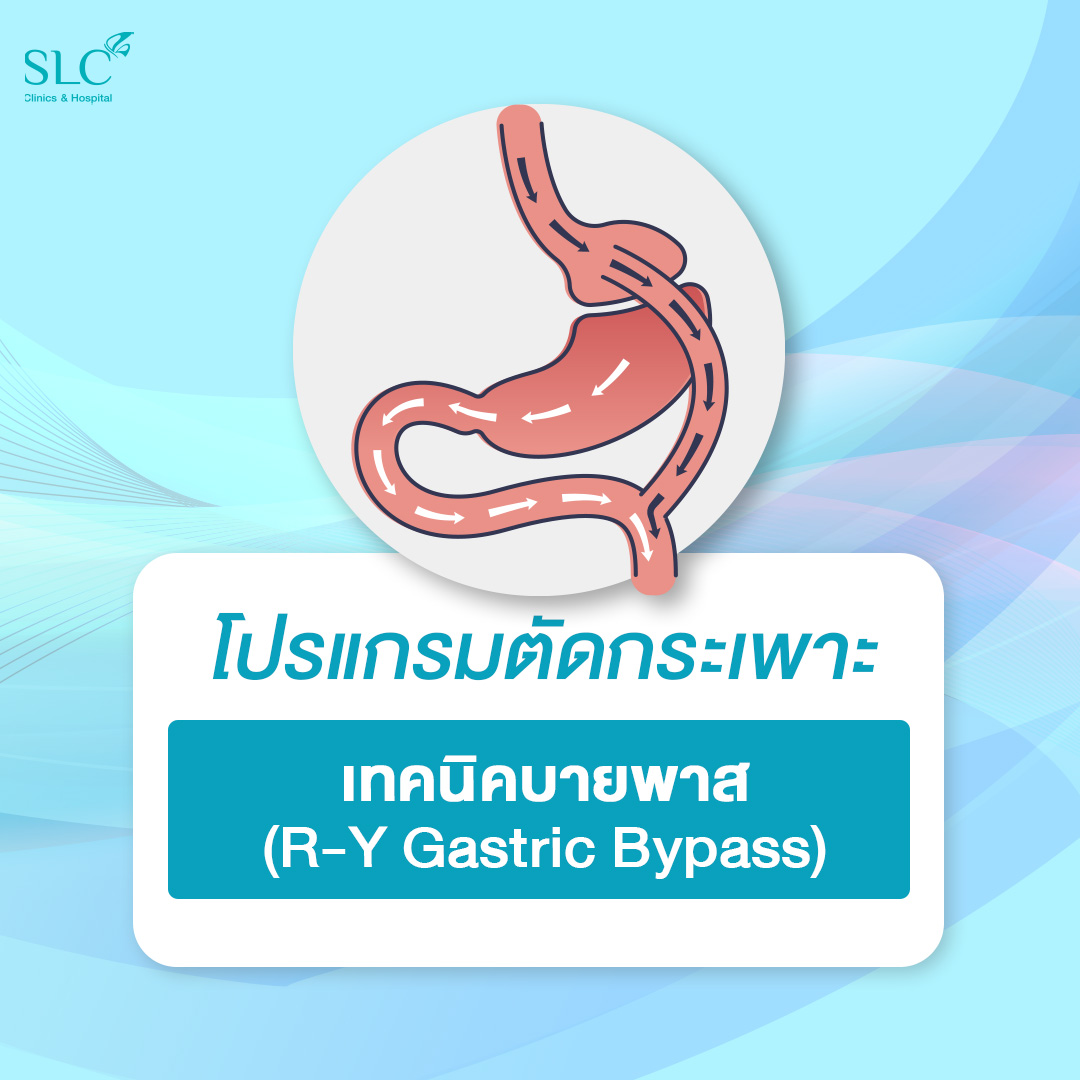
3. Gastric bypass surgery (R-Y Gastric Bypass)
This reduces the size of the stomach and also reroutes the digestive tract, creating a small stomach pouch connected to the intestine. This reduces food absorption, leading to greater weight loss than other methods, and helps reduce obesity-related complications such as diabetes, high blood pressure and fatty liver.
At SLC cosmetic surgery hospital, we use the sleeve technique (Sleeve Gastrectomy), one of the most effective methods, suitable for people who cannot control their eating and who do not lose weight no matter how much they exercise. Using the Laparoscopic technique, or keyhole surgery, the incisions are small, recovery is fast, and the procedure is safer. This surgery helps you naturally eat less and also lowers the hunger hormone, allowing sustainable weight control. Besides giving you a more proportionate figure, it also helps reduce the risk of chronic diseases caused by obesity.
Who is the bariatric surgery / stomach reduction programme for??
- Age 18 or over, with excess weight that affects health
- BMI over 30, or over 30 with chronic diseases such as diabetes, high blood pressure or high blood lipids
- Unable to lose weight with other methods, such as diet, exercise or medication
- Want to lose weight to prepare for other treatments, such as knee surgery or infertility treatment
Why choose the bariatric surgery programme at SLC Hospital?
- International hospital standards, with safety at every step using advanced technology
- Care from a team of specialist doctors, 1:1 anaesthesiologist care, plus equipment to prevent blood clots
- Small incisions, fast recovery: laparoscopic surgery with small 0.5-1 cm incisions, less pain and lower risk of infection
- Visibly reduced hunger: controls the hormone Ghrelin, so you eat less without forcing yourself
- No effect on nutrient absorption: the digestive tract is not rerouted, reducing the risk of malnutrition
- Complete care, with a Personal Patient Advisor and registered nurses on hand 24 hours a day
- Long-term results: real weight loss, plus help controlling obesity-related diseases
Preparing for bariatric surgery
- Adjust your eating habits and lose 5 – 10% of your weight in advance to reduce surgical risk, test your self-discipline, and let the doctor assess whether this method suits you
- Control your diet before surgery: 1-2 days before surgery, have only clear soup to help clear your digestive system
- Bowel cleansing: before surgery, the bowel must be fully cleaned to reduce the risk of infection and complications
- Health check: consult your doctor and assess your underlying conditions and the results you want
- Stop medicines and supplements: stop blood thinners, vitamins and supplements for at least 2 weeks
- No smoking or alcohol for at least 2 weeks before and after surgery, to reduce the risk of infection
- Do not eat or drink for 8 hours before surgery, and get your body ready
- Tell your doctor in advance about any symptoms, such as fever, cough or diarrhoea
- Remove nail polish and false nails to prevent inaccurate oxygen readings
- Prepare yourself mentally, get enough rest and try to worry less before surgery
Procedure time
- Surgery takes about 2-3 hours (the length of surgery depends on each person’s condition)
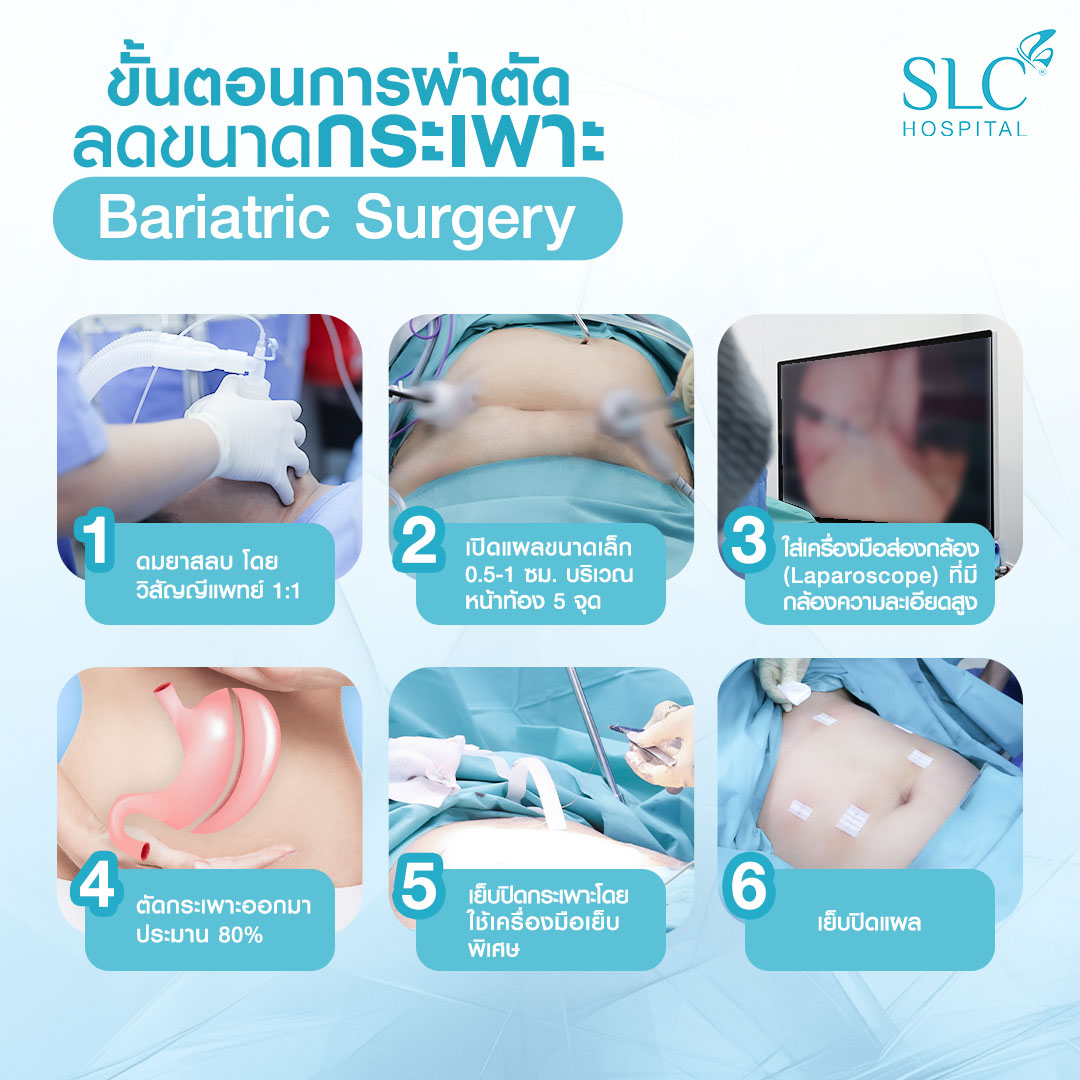
Surgical steps
- General anaesthesia under 1:1 care from an anaesthesiologist, so you feel no pain and stay relaxed throughout the procedure
- Small incisions of about 0.5-1 cm are made at 5 points on the abdomen to insert a laparoscope, whose high-resolution camera gives the surgeon a clear view inside
- Stomach reduction: the surgeon removes about 80% of the expandable part of the stomach, helping you eat less and feel full sooner
- Closing the stomach: a special stapling device is used to seal the cut line securely, reducing the risk of leaks, and everything is checked before the wounds are closed
- Wound closure with dissolvable stitches or special wound tape, minimising scars and helping you recover quickly
Aftercare following bariatric surgery
- Recover in hospital for about 1-2 days under the care of doctors and nurses
- Adjusting your diet after surgery
- Right after surgery: sip a little plain water so your body can start adjusting
- Day 1: drink clear soup and herbal drinks with little or no sugar
- Day 3-7: start on thick soups, medical nutrition milk, and plain High Protein milk (avoid sweetened milk or chocolate milk containing artificial sweeteners)
- Day 7-28: eat soft foods such as clear soup with tofu and minced pork, steamed fish, steamed egg, stewed pork and noodles, chewing thoroughly before swallowing
- Day 28 onwards: you can return to a normal diet, focusing on soft leafy vegetables and soft fruits
- Avoid alcohol, fizzy and carbonated drinks, very hot or very spicy food, and high-energy drinks (Energy Drink)
- Take vitamin supplements, as nutrient absorption is reduced
- See your doctor as scheduled to check your stomach health and follow up on your weight loss