
 ไทย
 中文 (中国)
 日本語



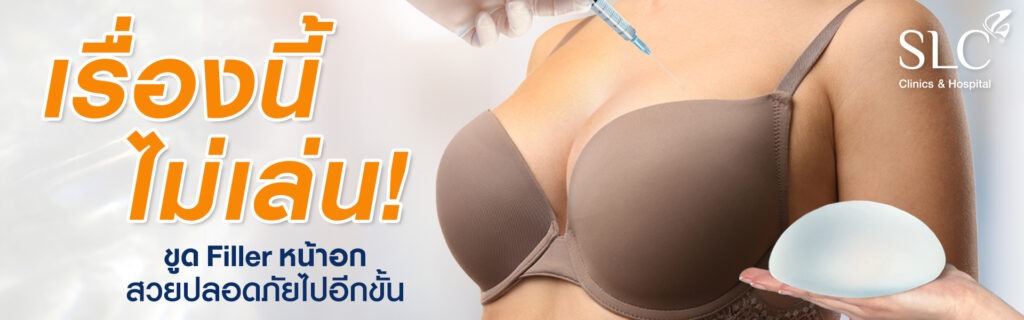
Breast enhancement with filler may be an option for many people who want to reshape or enlarge their breasts quickly without surgery. In some cases, however, the results may not turn out as hoped. Some people experience swelling, inflammation or a misshapen breast that leaves them lacking self-confidence, or it may affect their long-term health. Breast filler removal has therefore become an important solution for people facing these problems. Removing breast filler matters a great deal, because leaving unsuitable or substandard filler in the body can cause chronic inflammation, infection or even affect the overall structure of the breast. That is why deciding to have it removed to restore your safety and health is something you should not overlook.
Breast filler removal is performed by a specialist surgeon with extensive knowledge and experience, using techniques that help reduce risk and give a good breast shape after removal. The time it takes can vary depending on the amount of filler in the body and the problems it has caused. Aftercare following breast filler removal is just as important: the surgeon will advise you on recovery, infection prevention and day-to-day self-care so that you recover as fully as possible. Choosing to fix breast filler problems is not something to take lightly; it is a decision for safe, long-term beauty. Filler removal not only helps restore your confidence but also prevents health problems that might otherwise arise. Filler removal for health not only helps restore a suitable shape but also prevents breast filler inflammation or other problems that may occur in the future.

Breast Filler Removal: What Is It? Key Facts to Know Before You Decide
Breast filler removal is the medical removal of filler that was previously injected into the breasts. The procedure corrects problems that can arise from filler injections, such as swelling, inflammation, abnormal hardening or a misshapen breast. Filler removal is not simply a matter of drawing the substance out; it requires expertise and the right technique to achieve a good, safe result.
Some types of filler used in the breasts may be unsuitable or substandard, which can lead to long-term problems such as breast filler inflammation or chronic inflammation that causes pain and affects your health. Choosing to have the filler removed tackles the problem at its source and helps restore safety for people facing these issues.

Problems Caused by Breast Filler and How to Fix Them
Problems caused by breast filler may include filler migration, abnormal hardening or inflammation. Leaving these problems untreated can affect your health in the long term, so fixing breast filler problems through removal is an effective solution.

The Breast Filler Removal Process
Breast filler removal is performed by a specialist surgeon using specific techniques to remove the filler safely. The procedure begins with assessing the condition of the filler in the breasts, choosing a suitable technique, and caring for the patient after removal so they recover quickly and safely.

Filler Removal for Health: An Option Worth Knowing
Deciding on filler removal for health not only helps restore your confidence but also prevents problems that may arise in the future. Removing unsuitable filler from the body helps reduce the risk of infection and chronic inflammation, and helps restore a natural breast shape for those who receive proper care.
Why You May Need Breast Filler Removal: Know Before It’s Too Late!
The decision to have breast filler removal usually stems from long-term problems the filler causes, whether inflammation, changes in breast shape or other related health problems. These are not trivial matters but problems that need proper care and correction. Let’s look at what these causes and problems are, and why filler removal is an important solution.

3 Main Reasons for Breast Filler Removal
- Inflammation and infection
When filler is substandard or injected in an unsuitable amount, it can cause inflammation and infection in the breast area. This inflammation may occur immediately after the injection or over the long term, causing soreness, pain and swelling, which should be corrected promptly by fixing the breast filler problem through proper removal.
- Changes in breast shape
Filler injected into the breasts can sometimes migrate or harden abnormally, changing the shape of the breasts so they no longer look as intended. Leaving this without breast filler removal may lower your confidence and cause long-term health problems.
- Allergy to the filler
People who are allergic to the filler have acute allergic reactions such as redness, swelling and inflammation, and in some cases health complications. If the filler is not removed, it may lead to breast filler inflammation and other chronic problems.

Problems That May Occur If Filler Is Not Removed
- Chronic inflammation
Leaving abnormal filler in the body for a long time may cause chronic inflammation, which can spread to other areas and affect your overall health. Filler removal for health is therefore essential to prevent this problem.
- Abnormal lumps
Filler that hardens abnormally can form abnormal lumps in the breast, causing pain and discomfort. Filler removal is the best solution for returning the breast to its normal condition.

Preparing for Breast Filler Removal
- Consult a surgeon who specialises in breast filler removal to analyse the problem, assess the condition of the injected filler and consider the removal method best suited to you.
- Stop certain medicines that affect blood clotting. Avoid aspirin, anti-inflammatory drugs ( NSAIDs ) and certain supplements or herbal products that may affect blood clotting for 1 – 2 weeks before surgery, or as advised by your surgeon.
- Stop drinking alcohol and smoking at least 2 weeks before surgery to help reduce the risk of complications and support your body’s recovery after filler removal.
- Have a thorough pre-operative health check, such as blood tests, blood pressure measurement and a heart function test, to assess your body’s readiness for surgery.
- Tell us about any drug allergies, underlying conditions or regular medication, as well as information about the filler you had injected, such as the type and amount.
- Follow the instructions on food and drink. Before filler removal you may need to fast from food and water before surgery as advised by your surgeon, to prevent choking and help the general anaesthesia go smoothly.
- Prepare a place to recover after surgery and have someone who can help you during the first period after the operation. Also prepare what you need for recovery, such as loose, comfortable clothing and nutritious food.

Breast Filler Removal Steps
- Assessment and marking before the procedure
Before surgery, the surgeon thoroughly assesses the patient’s breasts and marks the areas where filler is to be removed, so that the surgery is precise and the result meets the patient’s needs. This step helps the surgeon plan the operation effectively and reduce the risk of side effects.
- General anaesthesia by an anaesthesiologist
The anaesthesiologist administers general anaesthesia, which puts you into a deep sleep so you are unaware throughout the operation, allowing the surgery to proceed smoothly and without pain.
- Making the incision
The surgeon makes an incision in a suitable location, such as along the edge of the areola or under the breast, to reach the area where the filler is to be removed, keeping the incision small and hidden in a spot that is hard to see.
- Removing the filler
The surgeon uses specific techniques to carefully scrape out and remove the filler from the breast tissue, reducing the risk of damage to normal tissue and making sure the filler is removed effectively.
- Cleaning the surgical area
Once all the filler has been removed, the surgeon cleans the treated area to prevent infection and prepare it for suturing.
- Closing the incision
The surgeon closes the incision with suitable sutures, with attention to minimising scarring and to the strength of the breast tissue.
- Post-operative care
After you recover from the anaesthesia, you will receive advice on wound care, recovery and how to look after yourself after surgery, as well as follow-up appointments to make sure the results are as expected.

Self-Care After Breast Filler Removal
- Get enough rest and avoid strenuous activity or exercise that may put strain on the chest area during the first 1 – 2 weeks after surgery, to give your body time to recover and reduce the risk of swelling and bruising.
- Avoid heavy lifting or movements that may tense the chest muscles, such as raising your arms above shoulder level in the early period after surgery.
- Wear a special bra or chest wrap as advised by your surgeon to help support the shape, reduce swelling and prevent movement of the operated tissue.
- Keep the surgical wound clean. Wash and clean the wound as instructed by your surgeon, avoid using products with harsh chemicals or soaps on the wound, and keep the wound dry in the early period until you are sure it has fully healed.
- Avoid smoking and alcohol as they can affect wound healing and increase the risk of infection. Abstain until the wound has healed well.
- Avoid touching or pressing hard on the breast area where the filler was removed, to prevent inflammation or disturbing tissue that has not yet fully healed.
- Take your medication as advised by your surgeon and follow the instructions strictly, to help reduce pain and prevent infection.
- Attend your follow-up appointments with the surgeon so the doctor can assess your progress and check that your recovery is normal. If you notice anything unusual, such as severe redness and swelling, fever or pus from the wound, tell your surgeon immediately.
- Eat nutritious food with protein, vitamins and minerals to support your body’s recovery, such as fish and fresh fruit and vegetables, and drink enough water.

Which Procedures Can Breast Filler Removal Be Combined With?
 1. Breast Filler Removal Combined with Breast Augmentation ( Breast Augmentation )
If you would like to switch from filler to breast augmentation with silicone implants, filler removal can be done together with breast augmentation in the same session, helping you achieve the beautiful breast shape you want. The surgeon will assess and adjust your breast shape appropriately and safely in a single operation.

2. Breast Filler Removal Combined with Breast Augmentation Using Your Own Fat ( Fat Transfer )
If you would like a natural breast enhancement, filler removal can be combined with breast augmentation using your own fat. The doctor harvests fat from various areas of your body and grafts it into the breasts to give them fullness and a naturally soft feel. This method suits people who want to avoid silicone implants and want natural-looking results.

3. Breast Filler Removal Combined with Breast Lift Surgery ( Breast Lifting )
Breast filler removal can be combined with a breast lift ( Breast Lifting ). This option is for those who want a more beautiful, firmer and well-proportioned breast shape, and you can choose either without or with silicone implants, depending on your needs and the surgeon’s assessment, as follows:

Breast Lift Without Silicone Implants
Suitable for those who want firmer breasts without increasing their size after filler removal. The surgeon lifts sagging breasts, making them firmer, and reshapes the internal structure of the breast so it looks perkier and more beautifully shaped.
Benefits of a Breast Lift Without Silicone Implants
- Firmer breasts with no foreign material
- New breasts that look natural, suitable for those who do not want larger breasts
- Reduces the risks that may come from using foreign material

Breast Lift with Silicone Implants
If you want to increase breast size and correct sagging at the same time, a breast lift combined with silicone implants is an option that makes the breasts larger while also lifting them. The surgeon first removes the filler, then places silicone implants to add volume, together with a lift, for breasts that are rounded, firm and full of dimension.
Benefits of a Breast Lift with Silicone Implants
- Increases breast size while correcting sagging
- Beautifully shaped, rounded and firmer breasts
- Suitable for those who want breasts that look prominent and full
Choosing the Right Method
Whether to have a breast lift with or without silicone implants depends on your needs and the surgeon’s assessment, taking into account the nature of your tissue, how much the breasts sag and the result you want. Consulting a surgeon will help you get appropriate advice and be confident that the surgery will give the safest result and the one that best meets your needs.

Benefits and Risks of Breast Filler Removal: Decide with Complete Information
Breast filler removal is an important option for people who have problems or side effects from breast filler injections. This decision has benefits that help restore confidence and health, as well as risks that must be considered so that the procedure is as safe as possible. Knowing the benefits and how risks are managed is therefore something you should not overlook.
Benefits of Breast Filler Removal
- Safety and reduced long-term risk
Filler removal gets rid of filler that may cause problems such as inflammation, infection or changes in breast shape. Removing the filler therefore helps reduce risks that may arise in the future. - Restores a natural breast shape
After breast filler correction, the breasts regain a shape close to natural, reducing the abnormalities caused by filler that has migrated or hardened abnormally. - Restores self-confidence
Correcting filler problems that cause insecurity or change your appearance helps people who have their filler removed regain their confidence and live comfortably. - Prevents health problems that may be caused by substandard filler
Filler removal helps reduce the risk of breast filler inflammation or other problems caused by substandard or expired filler.
Possible Risks of Breast Filler Removal
- Infection
Although filler removal is performed by an expert doctor, a risk of infection still exists. To prevent infection, the doctor will give antibiotics and closely monitor the wound. - Scarring
The process of removing breast filler may leave a scar in some cases, especially when an open incision is needed, but the doctor will use techniques that help keep scarring to a minimum. - Changes in breast tissue
Filler removal may cause the breast tissue to change or lose some of its elasticity. To prevent this, the doctor assesses the condition of the filler and chooses a suitable removal method. - Complications from general anaesthesia
In some cases where general anaesthesia is required, there may be a risk of complications, but this risk is reduced when it is administered by an expert anaesthesiologist.

How to Reduce the Risks of Breast Filler Removal
- Choosing a specialist surgeon
Filler removal should be performed by a surgeon who specialises in breast filler removal and is certified by the relevant authorities. - Following your surgeon’s advice
Caring for the wound after removal, taking medication as prescribed by the surgeon and avoiding activities that may put the wound at risk of infection are important for reducing risk. - Consultation and readiness assessment before surgery
Patients should consult the surgeon and have their readiness assessed before the procedure to make sure the filler removal is carried out safely.

6 Frequently Asked Questions About Breast Filler Removal

1. Is Breast Filler Removal Painful?
Answer: Breast filler removal is performed under general anaesthesia given by an anaesthesiologist, so you feel no pain during the procedure. After you wake up from surgery, there may be some mild pain or soreness, and the surgeon will prescribe painkillers to relieve it.

2. Why Remove Filler from the Breasts?
Answer: Removing filler from the breasts is important when problems occur, such as inflammation, filler migration or abnormal hardening, which can affect the shape of the breasts and your health. If left untreated, it may lead to chronic problems and complications.

3. After Breast Filler Removal, Will My Breasts Return to Their Original Shape?
Answer: After breast filler correction, the breasts gradually recover, but their shape may not be 100% the same as before, depending on the condition of the affected tissue. Aftercare and following the doctor’s advice affect the long-term result.

4. What Are the Risks of Breast Filler Removal?
Answer: The risks of breast filler removal may include infection, scarring and complications from general anaesthesia. However, the risks can be reduced when the removal is performed by an experienced doctor and the aftercare instructions are followed strictly.

5. How Long Does Recovery Take After Breast Filler Removal?
Answer: Recovery time after the breast filler removal process varies from person to person. In general, basic recovery takes about 1 – 2 weeks. You should follow your surgeon’s instructions strictly and avoid strenuous activity in the early period so the wound heals as completely and safely as possible.

6. Where Is the Best Place for Breast Filler Removal?
Answer: Choosing where to have breast filler removal is very important. You should choose a place with high standards of quality and safety. At SLC Hospital, we meet international standards and have a team of specialist surgeons, fully equipped facilities and modern technology. We also have specialist anaesthesiologists who closely manage the general anaesthesia throughout the procedure, to make sure the filler removal is as safe and effective as possible, so you can feel confident at every step of treatment and care.
How did you find the useful information we prepared for you today? Breast filler removal is an important procedure for fixing breast filler problems, whether breast filler inflammation, filler migration or other abnormalities. Removing breast filler must be done through a proper breast filler removal process by a specialist surgeon for maximum safety. After surgery, aftercare following breast filler removal is also important for a good recovery and a lower chance of complications. If you are facing problems caused by breast filler and want to know the pros and cons of filler removal, don’t let this problem wear down your confidence. Come and consult a surgeon to find a solution, and we promise the results will restore your confidence and let everyone shine again as the best version of themselves!
